As neuromusculoskeletal specialists, we are uniquely positioned to support women throughout their pregnancy and postpartum journeys, helping them navigate the significant physical changes and challenges that accompany this transformative period.
According to the American Pregnancy Association, there are a number of factors that can contribute to back pain during pregnancy, including:
- an increase in hormones
- changes to the body’s center of gravity
- weight gain
- a decline in posture
- added stress

Pregnancy Impact on Posture & Balance
During pregnancy, the female body undergoes a remarkable transformation, with hormonal shifts, weight gain, and postural adaptations placing increased demand on the musculoskeletal system. These changes can lead to a variety of functional limitations and discomforts, including low back pain, pelvic girdle pain, and decreased mobility.
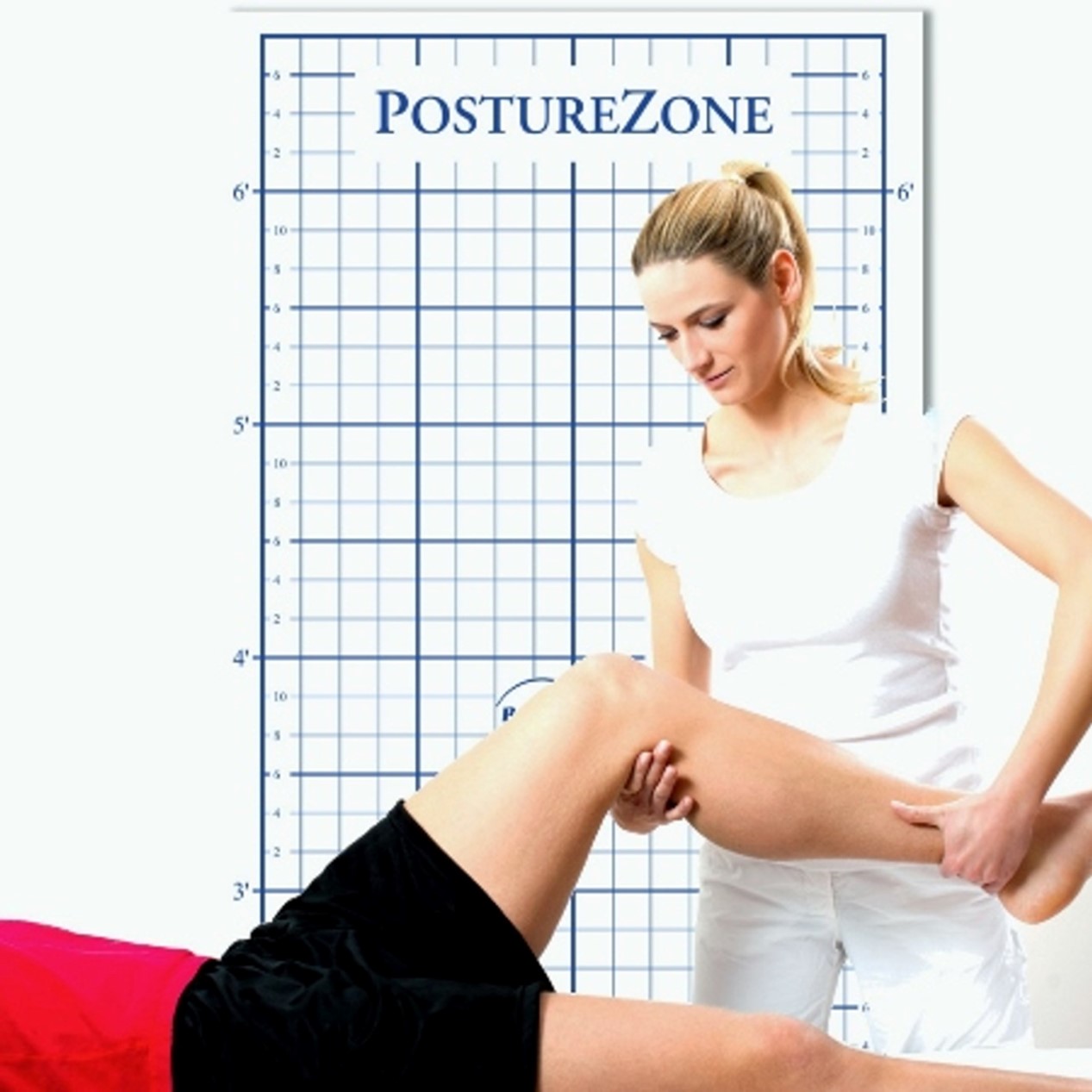
By incorporating regular posture and movement assessments and tailored therapeutic interventions, we can help mitigate these concerns and optimize maternal function throughout the prenatal period. Techniques such as manual therapy, therapeutic exercise, and neuromuscular re-education can help address musculoskeletal imbalances, improve mobility and posture, and promote overall comfort and well-being.
Capturing Pregnancy Changes
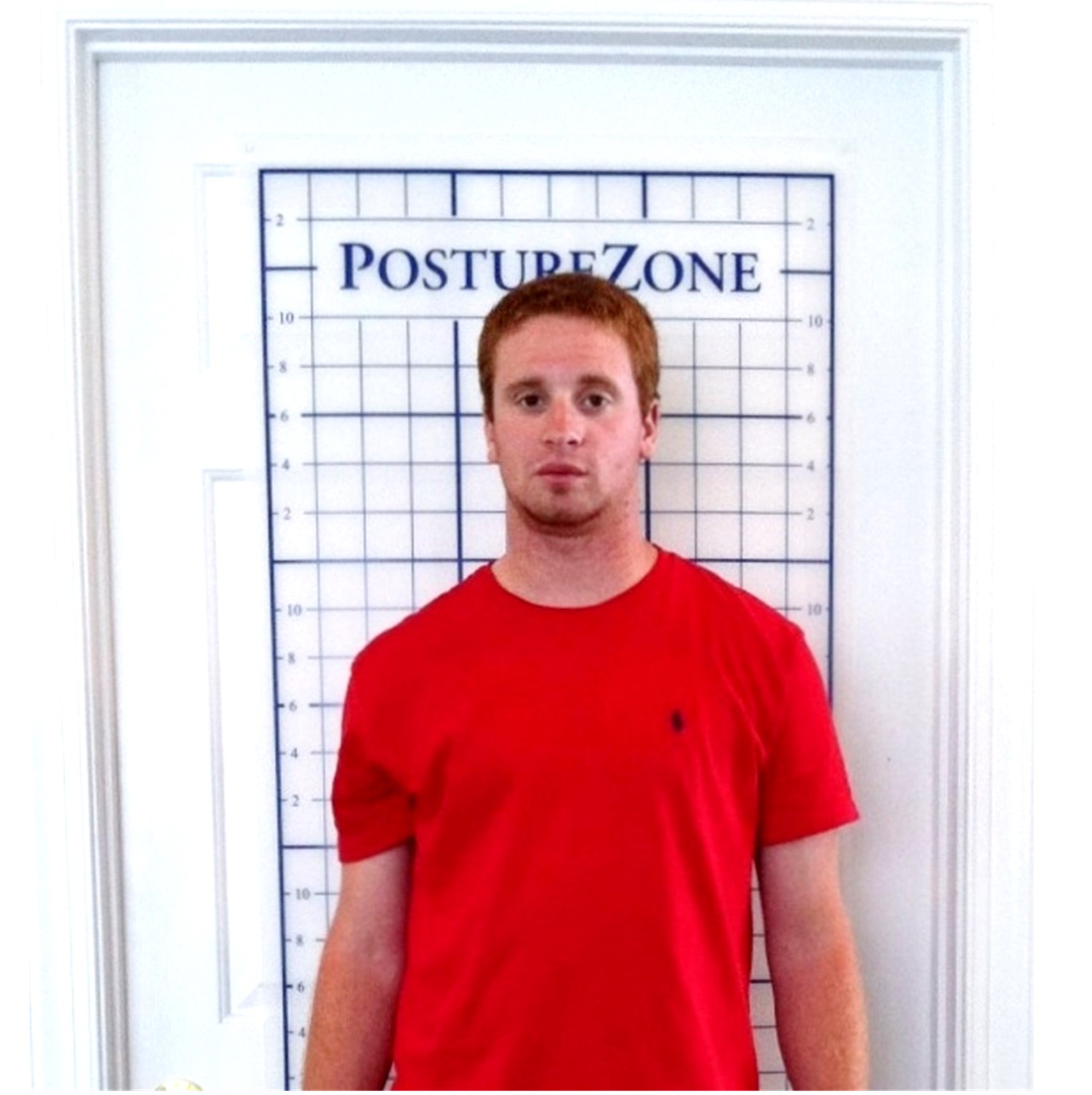
One valuable approach is to establish a baseline posture assessment early in pregnancy, taking a simple AP, PA and Lateral posture picture in front of a posture grid, or an Interoceptive posture picture (IPP). This baseline can then be used to track functional changes over the course of the pregnancy, allowing for timely and targeted interventions to address any emerging limitations or compensations.
Using a grid in the background provides an additional level of detail and interest for the patients, who are generally very interested in the incremental changes as they occur… leading to better communications, and compliance with at-home exercise as well as follow up visits.
In the prenatal period, our focus should extend beyond just addressing musculoskeletal concerns. Emerging research suggests that optimizing maternal neuromusculoskeletal function may also have implications for labor and delivery outcomes. By promoting proper pelvic alignment, core stability, and overall functional capacity, we may be able to facilitate a more efficient and comfortable birthing process.
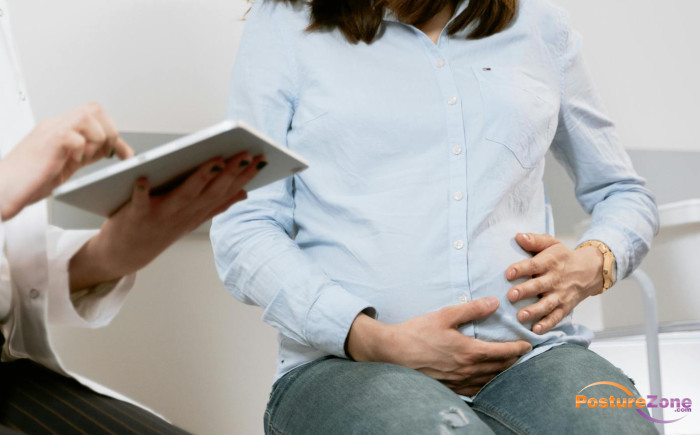
The postpartum period presents its own set of challenges, as the maternal body recovers from the physical demands of childbirth and adapts to the new demands of caring for an infant. Musculoskeletal pain, functional limitations, and altered movement patterns are common concerns that can significantly impact a new mother’s quality of life and ability to care for her child.
Neuromusculoskeletal Care During Pregnancy
By providing comprehensive neuromusculoskeletal care in the postpartum period, we can support the recovery process and help new mothers regain optimal function. This may involve manual therapy techniques to address musculoskeletal restrictions, therapeutic exercise to restore strength and endurance, and neuromuscular retraining to correct compensatory movement patterns that may have developed during pregnancy or delivery.
As neuromusculoskeletal practitioners, we play a vital role in supporting maternal health and function throughout the prenatal and postnatal periods. By taking a proactive, individualized approach and leveraging our expertise in movement assessment and therapeutic interventions, we can help women navigate this transformative journey with greater comfort, confidence, and overall well-being.