Physical therapists are well-versed in the importance of proper body mechanics and alignment… looking from the outside in. Now, a fascinating new study titled Interoceptive posture awareness and accuracy: a novel photographic strategy towards making posture actionable, published in Frontiers in Neuroscience (View article / Download article), suggests there may be an untapped avenue for optimizing patient outcomes for rehab as well as and injury prevention by teaching people to become aware of the subtle sense of postural interoception.
Interoception, the internal sense of the body’s physiological state, plays a pivotal role in motor control, energy regulation, and self-awareness. The study authors highlight how this “hidden sense” is particularly crucial for maintaining upright posture and stability in our bipedal human form.
This article gives the clinician a tool with which to give each individual patient a more objective assessment of dynamic posture -allowing a more kinetic, rather than the traditional static prospective. Both gait and Activities of Daily Living will be positively impacted once the patient receives the feedback which is inherent in this design. Injury prevention is also enhanced as one learns to comprehend the alignment concepts provided by the pictorial feedback. Historically assessing a patient’s posture did not provide enough information to counsel the individual how to avoid future re-injury.
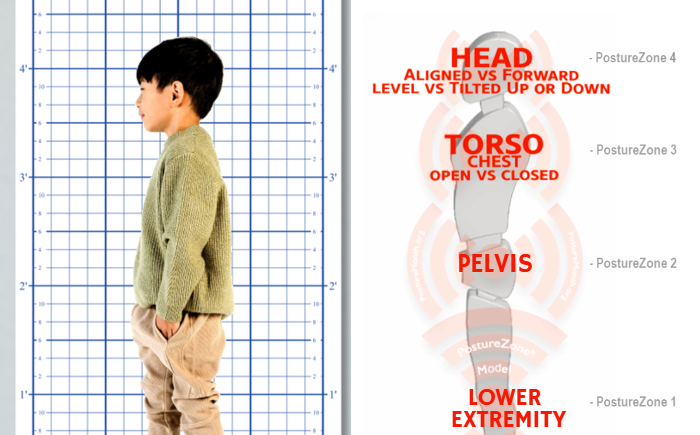
The feedback in this unique introspective approach is provided by series of posture photographs. As physical therapists, we can utilize this feedback to coach the patient on how to integrate more accurate alignment of their postural zones. The interoception with cognitive feedback helps to focus one on their body perception in space compared to the objective images. This approach dovetails well with a yoga philosophy whereby there is a focus upon controlled breathing, sensory and motor feedback as well as and mindfulness training.
The study’s novel observation is that viewing the external expression of four key zones of postural mass (the 4 ZPM- head, torso, pelvis, and lower extremities) provides a window to how proprioceptive signals from the cerebellum and interoceptive input from the insular cortex are being integrated into the global neurokinetic network (the NKN) of sensorimotor control.
Lead author and posture expert Steven Weiniger’s insight is that the struggle of many patients to accurately perceive and integrate these interoceptive cues can lead to suboptimal postural alignment, and thus global biomechanics, ultimately impacting functional capacity, energy expenditure, and increasing injury risk.
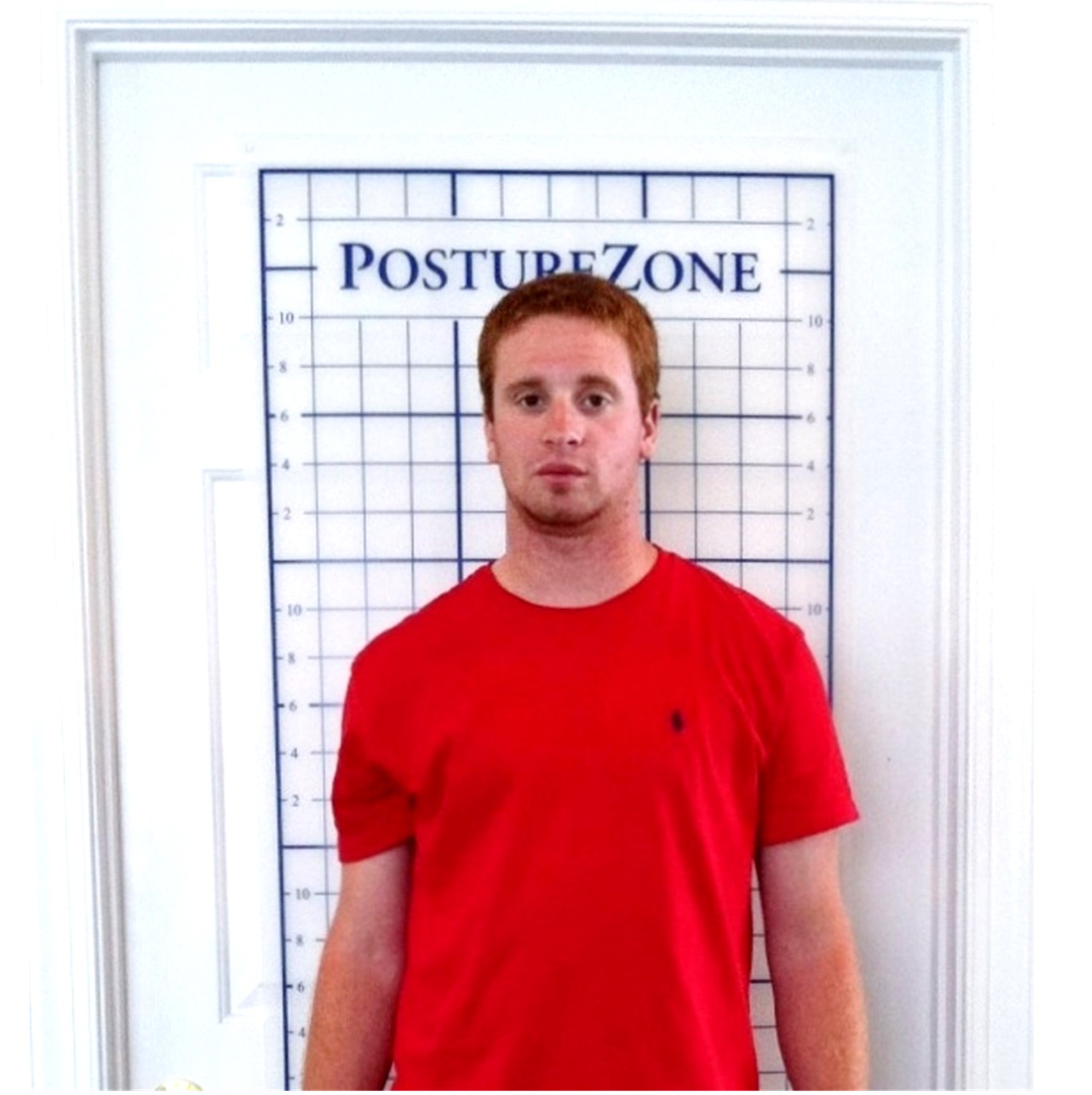
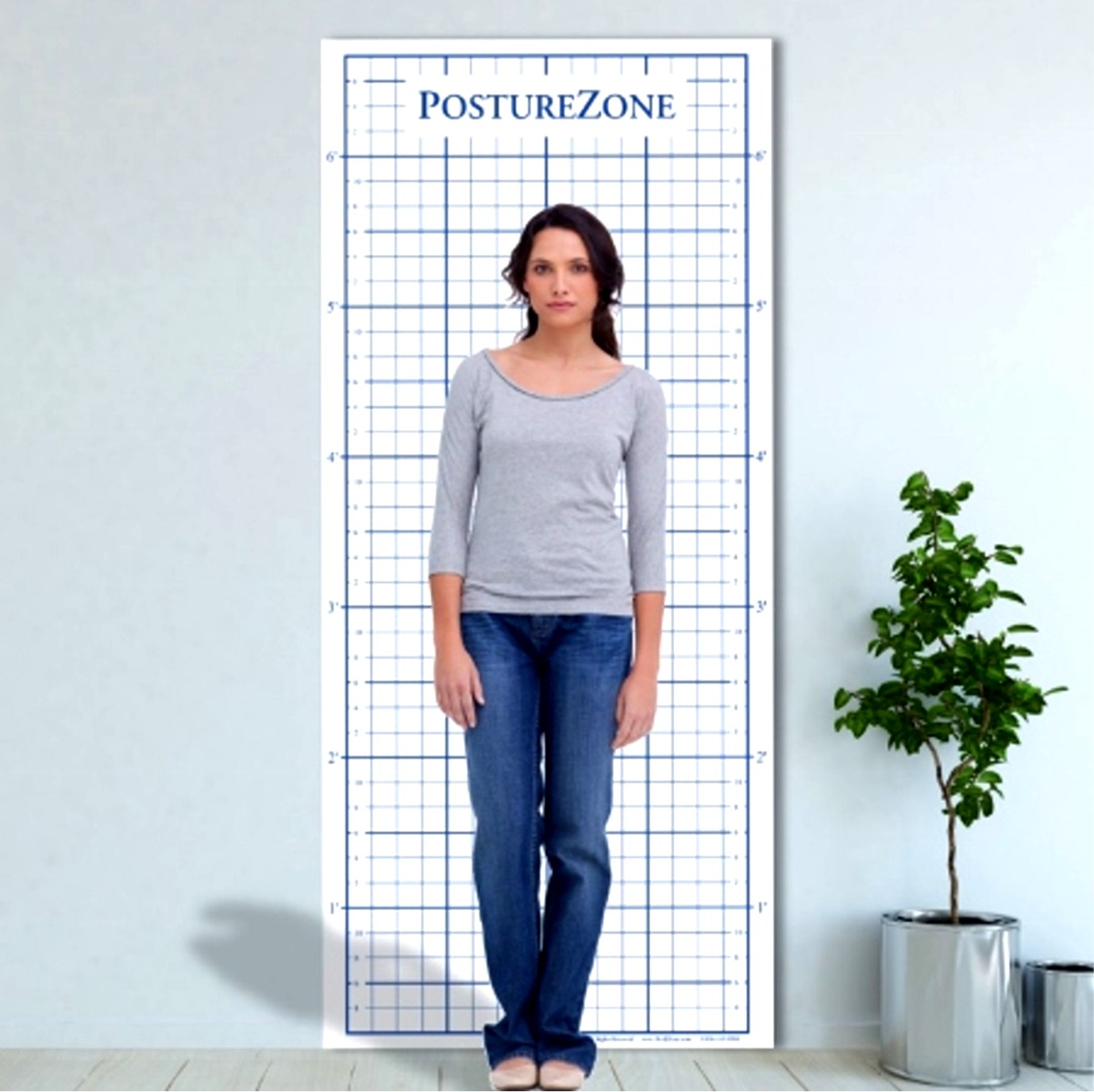
The study’s novel intervention is integrating dynamic balance images with the commonly observed static AP/Lateral posture images. Using a grid to observe lateral deviations of a simple series of posture photographs can help patients better integrate their internal sense of alignment with an objective, external view of their positioning of their body masses. By correlating this interoceptive awareness with visual feedback and effective cueing, people learn to more precisely perceive and control positioning of their postural zones relative to the line of gravity.

For physical therapists the implications of this approach are significant. Incorporating postural photography into our assessment and treatment processes could provide invaluable insights, empowering us to:
- Identify underlying postural compensations or asymmetries that may be driving a patient’s dysfunction or pain.
- Track minute changes in alignment and biomechanics throughout the rehabilitation journey.
- Provide patients with tangible, visual cues to reinforce proper posture and movement patterns.
- Enhance the mind-body connection, enabling patients to take a more active role in optimizing their physical function.
By strengthening postural interoceptive awareness and accuracy, we can help patients make the necessary adjustments to shift the alignment postural zones towards symmetry. Improving this biomechanic efficiency can improve the quality and energy efficiency movement, as well as enhance resilience against future injury.
Ultimately, this research underscores the power of integrating both subjective and objective feedback in the rehabilitation process. By harnessing the insights provided by interoceptive posture awareness, physiotherapists can elevate their clinical practice, drive superior patient outcomes, and position themselves as leaders in the field of movement science and injury prevention.
This article gives the clinician a tool with which to give each individual patient a more objective assessment of dynamic posture -allowing a more kinetic, rather than the traditional static prospective. Both gait and Activities of Daily Living will be positively impacted once the patient receives the feedback which is inherent in this design. Injury prevention is also enhanced as one learns to comprehend the alignment concepts provided by the pictorial feedback.
Historically assessing a patient’s posture did not provide enough information to counsel the individual how to avoid future re-injury. The feedback in this unique introspective approach is provided by series of posture photographs. As physical therapists, we can utilize this feedback to coach the patient on how to integrate more accurate alignment of their postural zones.
The interoception with cognitive feedback helps to focus one on their body perception in space compared to the objective images. This approach dovetails well with a yoga philosophy whereby there is a focus upon controlled breathing, sensory and motor feedback as well as and mindfulness training.
Front. Neurosci., 03 April 2024 – Sec. Translational Neuroscience – Volume 18 – 2024 | Weiniger, S., Schilaty, N. https://doi.org/10.3389/fnins.2024.1359594