Pedorthists place a strong emphasis on the assessment of an individual’s posture for several compelling reasons. Understanding the link between posture and lower limb health is vital to their practice.

Understanding an individual’s posture is of paramount importance to your colleagues, as it serves as a pivotal diagnostic tool, guiding the creation of custom orthotic solutions and ensuring the optimal alignment of foot and lower limb health. An effective postural assessment can be done very quickly and is now often part of an initial client assessment in a pedorthic practice.
- Diagnostic Insight: A person’s posture provides valuable diagnostic insights. By carefully observing how someone stands and moves, pedorthists can identify subtle abnormalities that may impact foot and lower limb function. This comprehensive assessment ensures that potential issues are recognized and addressed effectively.
- Custom Orthotics: Pedorthists excel in the creation of custom orthotic devices, such as orthopedic shoe inserts or footwear modifications. These solutions are meticulously designed to correct or support any deviations in foot alignment, which can have a profound impact on overall posture. Custom orthotics serve as an integral component of personalized treatment plans.
- Footwear Recommendations: Pedorthists offer expert guidance on selecting appropriate footwear. Their recommendations consider factors like arch support, cushioning, stability, and heel height, all of which significantly influence posture. Properly chosen shoes not only enhance comfort but also help maintain optimal alignment.
- Rehabilitation Support: Individuals recovering from surgery or injuries that affect their posture can benefit from pedorthic services. Custom orthotic devices assist in the rehabilitation process, promoting proper alignment and aiding in the restoration of a healthy posture.
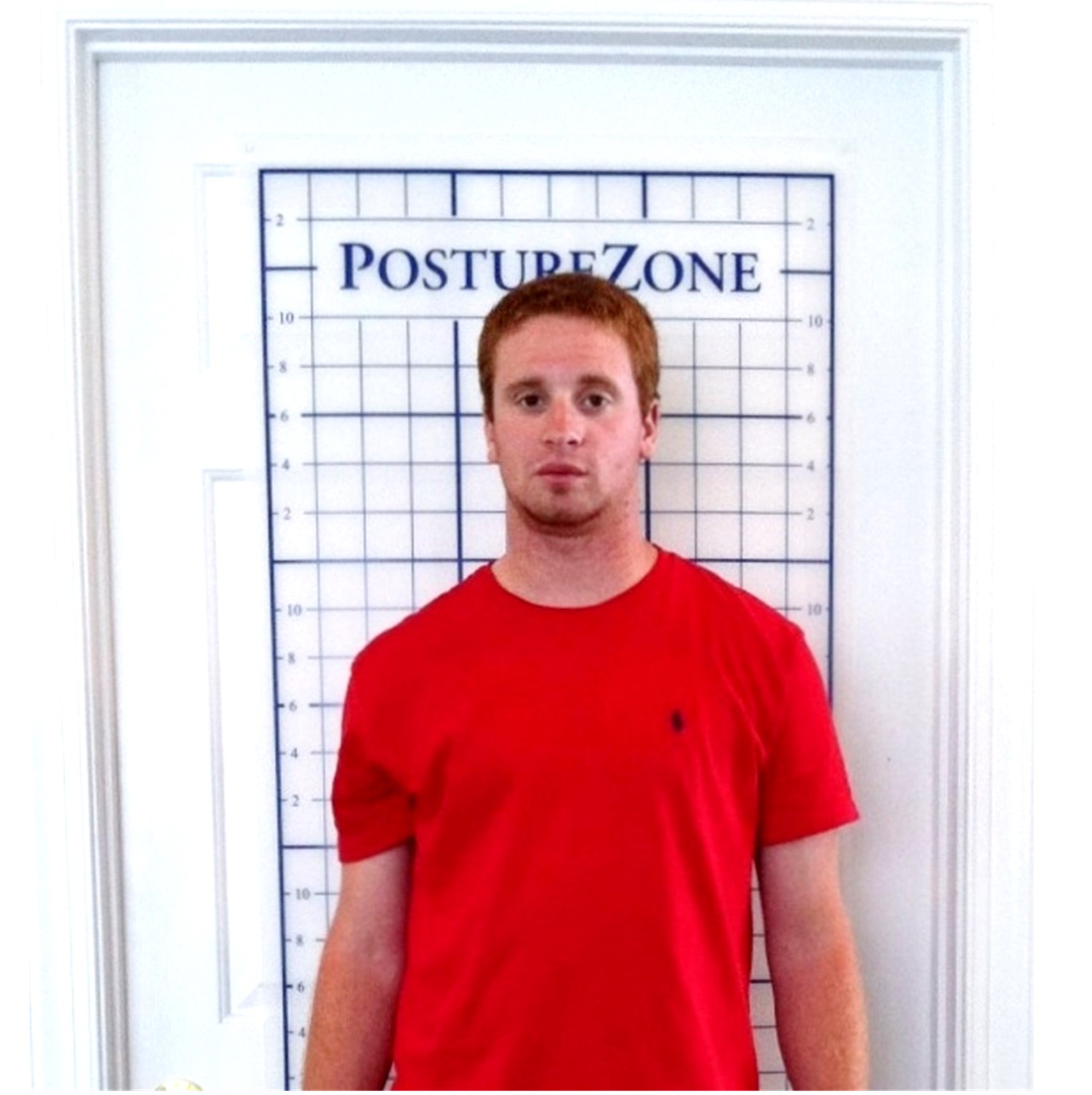
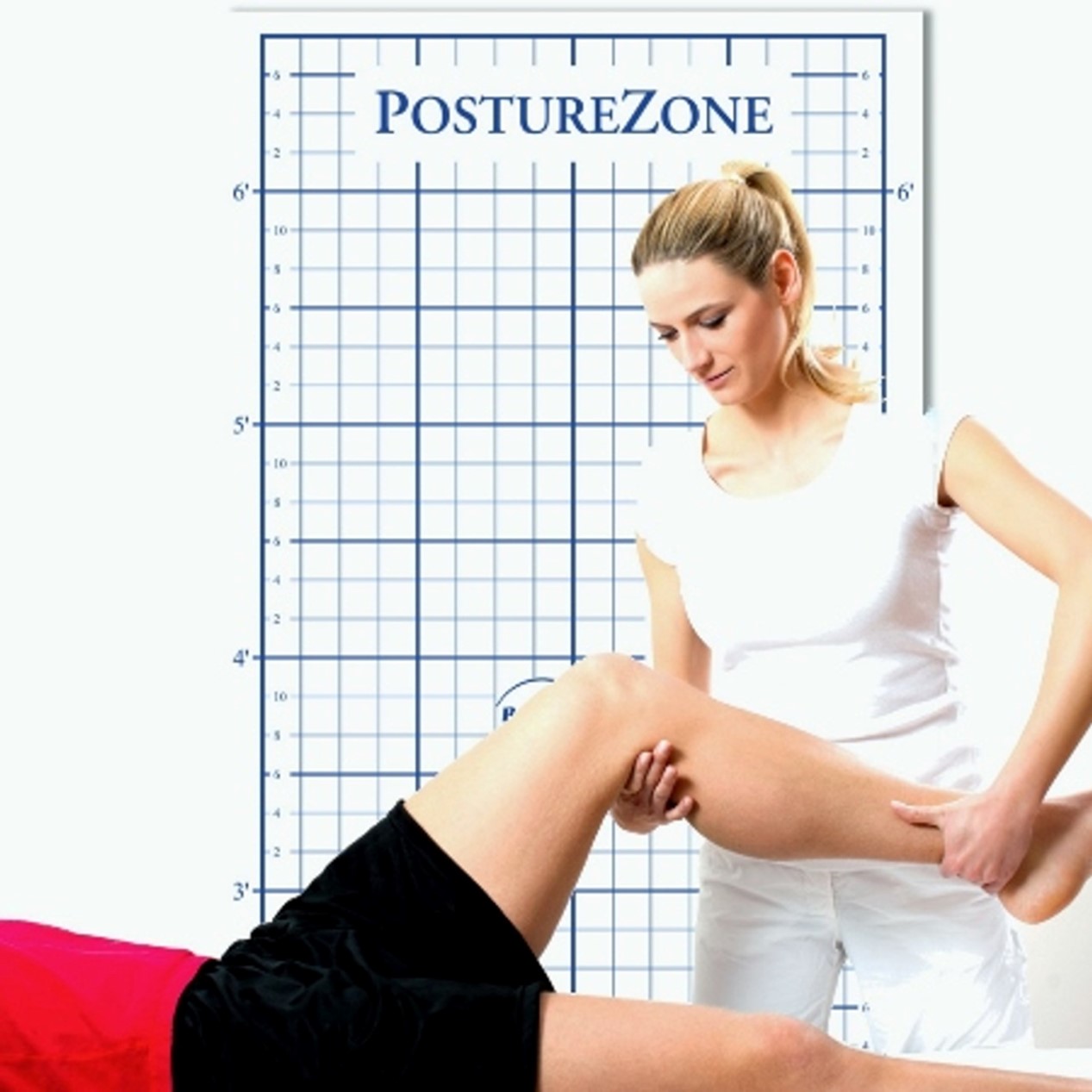
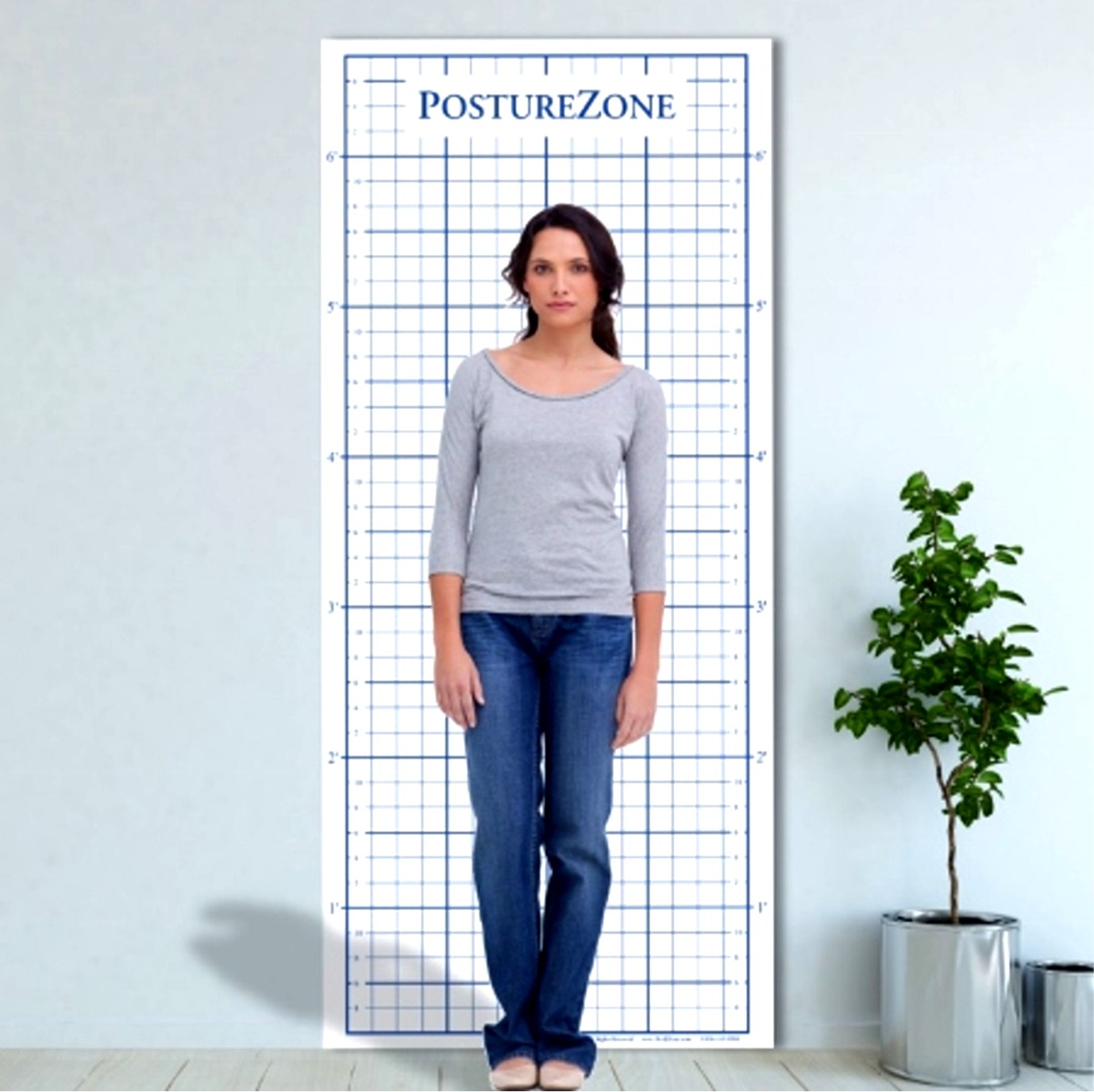
- Regardless of if you’re working with over/under pronation, arthritis, lower limb pain, back pain, foot pain, skin conditions, diabetes or sports injuries, setting the baseline in advance is crucial if you want to effectively communicate pre and post changes to the client and caregivers. The simplicity and availability of a posture grid makes this practical for any pedorthic office to achieve.
- Preventive Care: Pedorthic practices are proactive in identifying individuals at risk of developing foot or lower limb issues due to posture-related concerns. Through early detection and the provision of tailored solutions, they play a crucial role in preventing potential complications.
- Interdisciplinary Collaboration: In complex cases involving both posture and foot-related issues, pedorthists collaborate with orthotists, physical therapists, and other healthcare professionals. This collaborative approach ensures a comprehensive evaluation and holistic treatment.
Ultimately, the careful examination of posture is integral to a pedorthic practice, as it underpins the diagnosis and treatment of a wide range of foot and lower limb issues. By addressing posture-related concerns, pedorthists contribute significantly to the enhancement of overall musculoskeletal health, comfort, and quality of life for their patients.
Additional reading: Improving Posture and Preventing Pain: Posture Assessment for Pedorthists