In the world of body-focused practices and therapies, we often witness incredible transformations in our clients’ lives.
But what if we told you that sometimes, these remarkable changes go unnoticed, simply because they’re not captured and documented? That’s where the modern adage “Pictures or It Didn’t Happen” comes into play.

The Incremental Progress We Often Miss
In the journey to recovery and improved physical function, many patients may not realize just how far they’ve come. The human body has a remarkable ability to adapt and heal, often making gradual improvements that are easy to overlook. As health practitioners, we witness these changes day in and day out, but our patients might not be fully aware of the progress they’re making.
The Value of a Simple Posture Picture Assessment
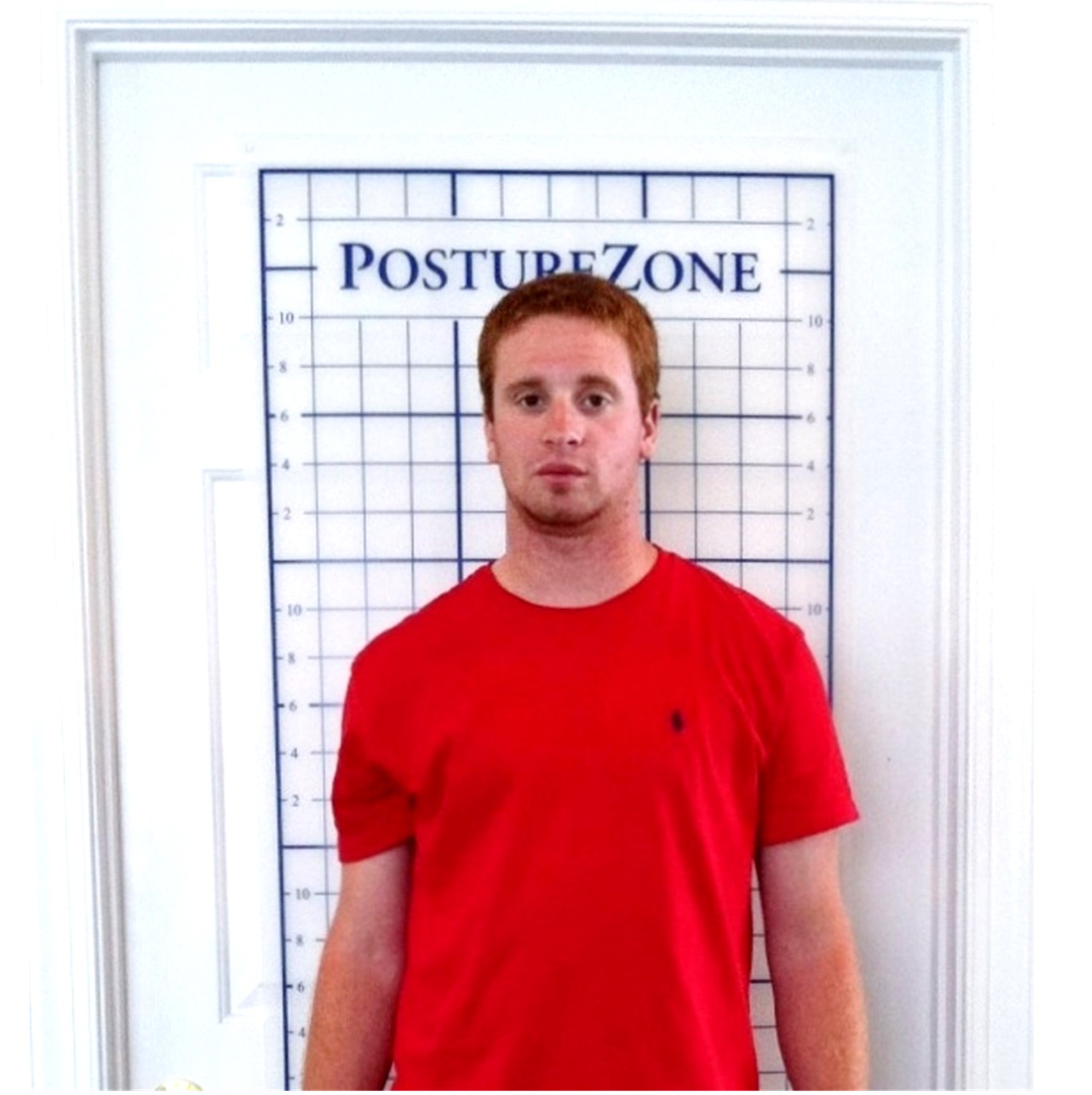
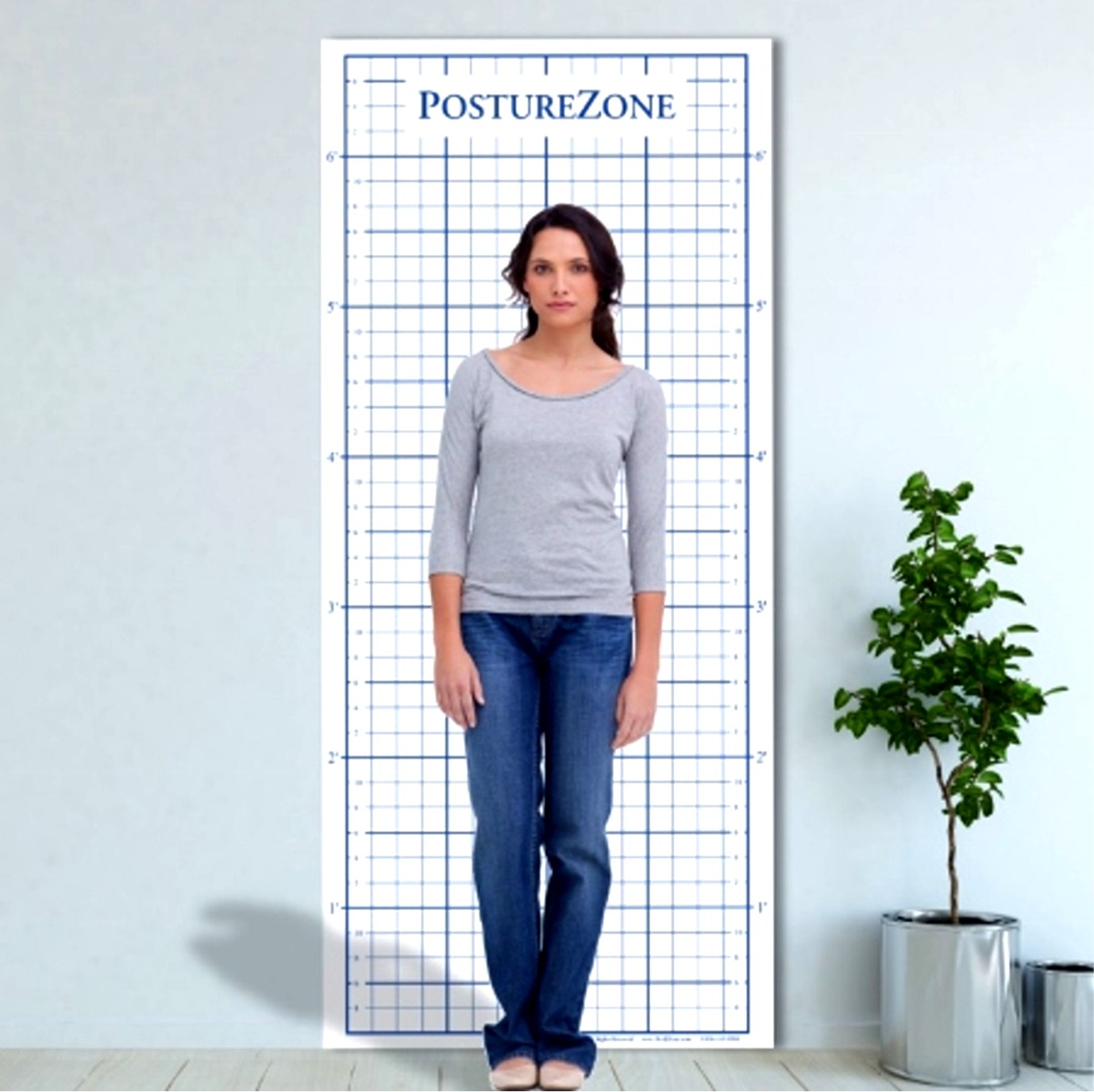
Enter the “Posture Picture Assessment.” At the beginning of a patient’s care, taking a simple photograph can serve as a powerful tool for both the health practitioner and patients alike. Here’s why it’s so valuable:
1. Visual Documentation: A picture is worth a thousand words. By capturing a baseline posture picture, you create a visual record of where the patient stands at the start of their therapy journey. This provides a clear reference point for tracking progress.
2. Objective Tracking: Posture pictures offer an objective way to measure changes over time. Patients may not feel the gradual improvements, but when they see the side-by-side comparisons, it can be eye-opening and motivating.
3. Patient Engagement: Involving patients in their own care is crucial. Showing them the visual evidence of their progress can boost their confidence and commitment to the therapy process. (Engaging patients in decision-making and behavior change to promote prevention NIH 2020)
4. Targeted Adjustments: As health professionals, we can use posture pictures to fine-tune treatment plans. Seeing how the body is responding allows us to make more informed decisions and tailor interventions for optimal results.

How to Get Started
Taking a posture picture is simple:
- Consistency: Ensure that the patient is in the same position and wearing the same clothing for each picture to maintain accuracy.
- Lighting: Good lighting is essential for clear images. Natural light works well, or you can use consistent artificial lighting.
- Angles: Capture front, side, and back views to get a comprehensive assessment of posture.
- Regular Updates: Take posture pictures at regular intervals, such as every few weeks, to track progress effectively.
Embrace Visual Evidence
Pics or It Didn’t Happen isn’t just a social media meme; it’s a valuable tool for health and fitness professionals. By incorporating posture pictures into your practice, you can help your patients and clients visualize their progress, stay motivated, and achieve the best possible outcomes.
- The article Using Posture Grids for Assessment (Posture Practice) is a great resource is you’re just getting started with posture analysis.
- Posture Pictures: Assessment, Screenings, Marketing & Forms (PostureZone) is also a valuable tool to have to learn the ins and outs of communicating with clientele about your assessment findings.