Optimizing Osteopathic Care: Recognizing the Significance of Posture Assessment in Treating Common Conditions
Within the realm of osteopathy, recognizing the profound impact of posture on patients’ well-being is fundamental to providing effective care. Posture assessment, in conjunction with the use of posture grids, emerges as a pivotal tool in evaluating and treating a diverse range of conditions frequently encountered by Doctors of Osteopathy. By employing precise technical verbiage and integrating posture analysis techniques, osteopaths can adeptly identify postural deviations, formulate individualized treatment plans, and monitor progress to achieve good treatment outcomes.
Assessing Postural Alignment:
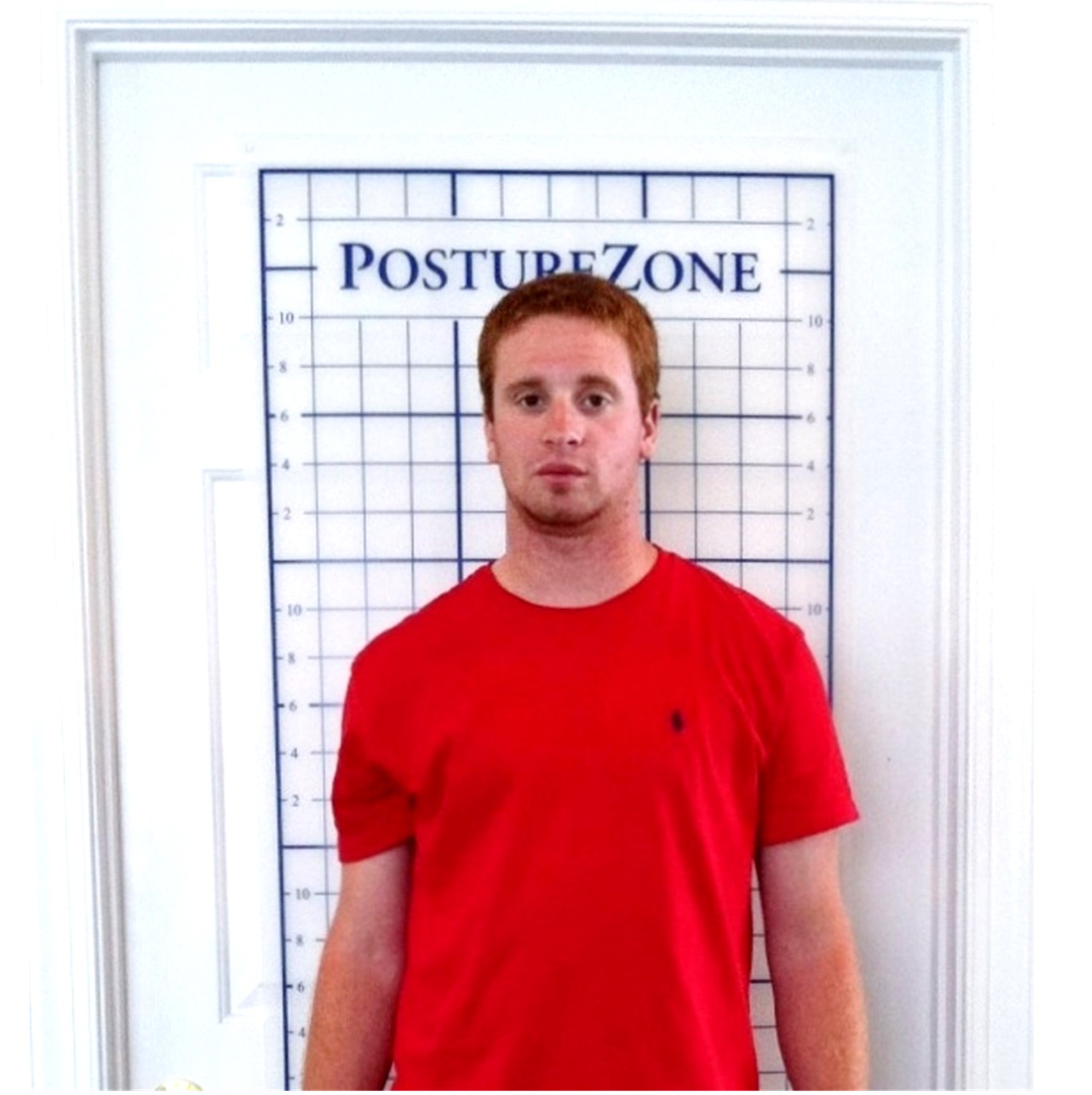
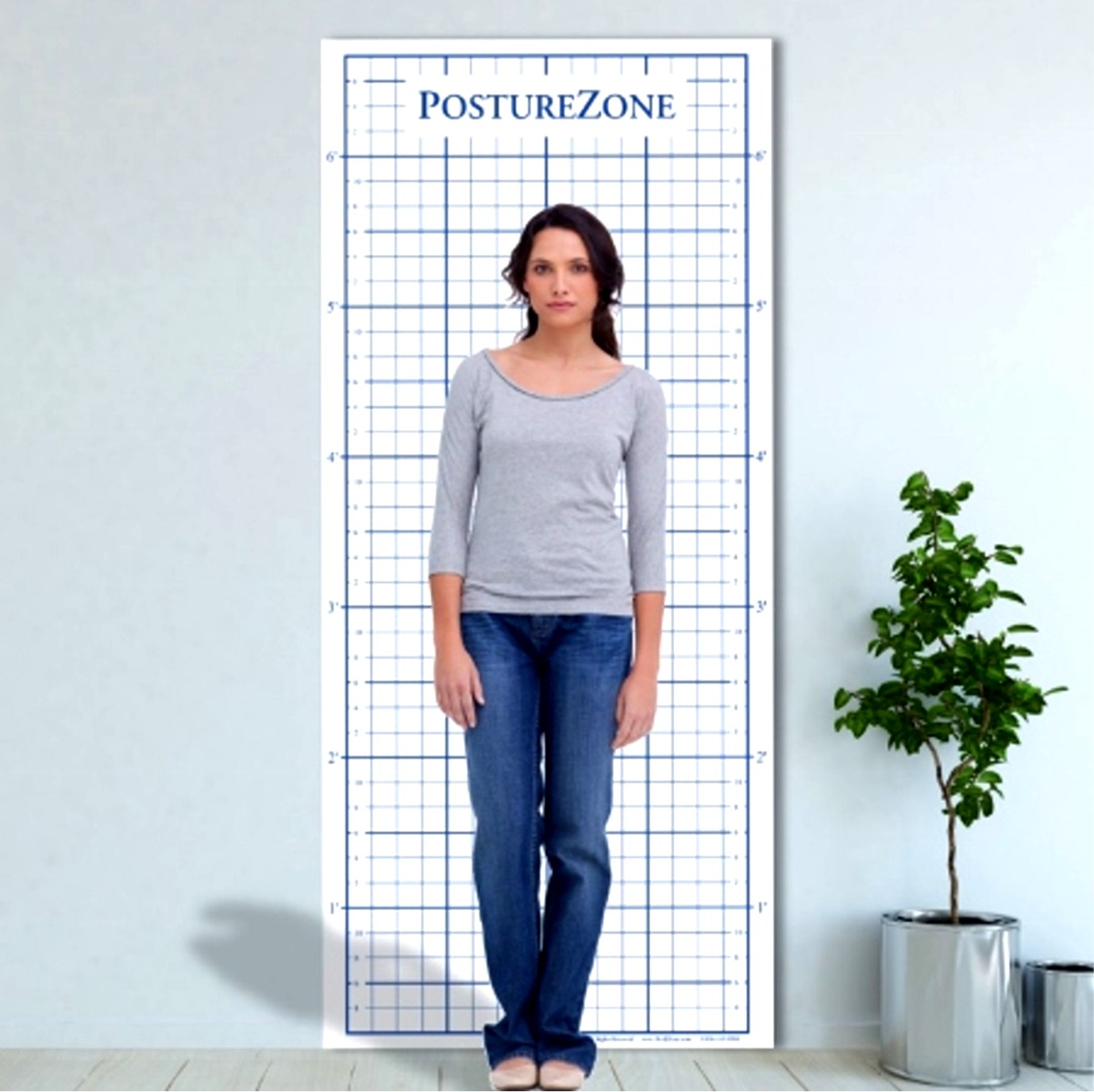
Postural assessment forms a cornerstone of osteopathic practice, enabling thorough evaluation of patients’ musculoskeletal conditions and associated dysfunctions. Through meticulous examination of static and dynamic postural alignment, DOs discern deviations, asymmetries, and abnormal movement patterns. Harnessing the visual representation of posture grids, osteopaths can precisely document findings, facilitating accurate diagnosis and treatment planning for conditions such as scoliosis, kyphosis, lordosis, and forward head posture.
Linking Posture to Common Conditions:
Postural imbalances often underlie a multitude of conditions addressed by osteopaths. Musculoskeletal ailments such as low back pain, neck pain, joint dysfunction, and myofascial pain syndromes frequently exhibit connections to posture. By conducting comprehensive posture assessments and utilizing posture grids, osteopaths can quantitatively measure postural deviations, guiding targeted interventions that address the root causes of these conditions and restore optimal musculoskeletal function.

Tailored Treatment Strategies:
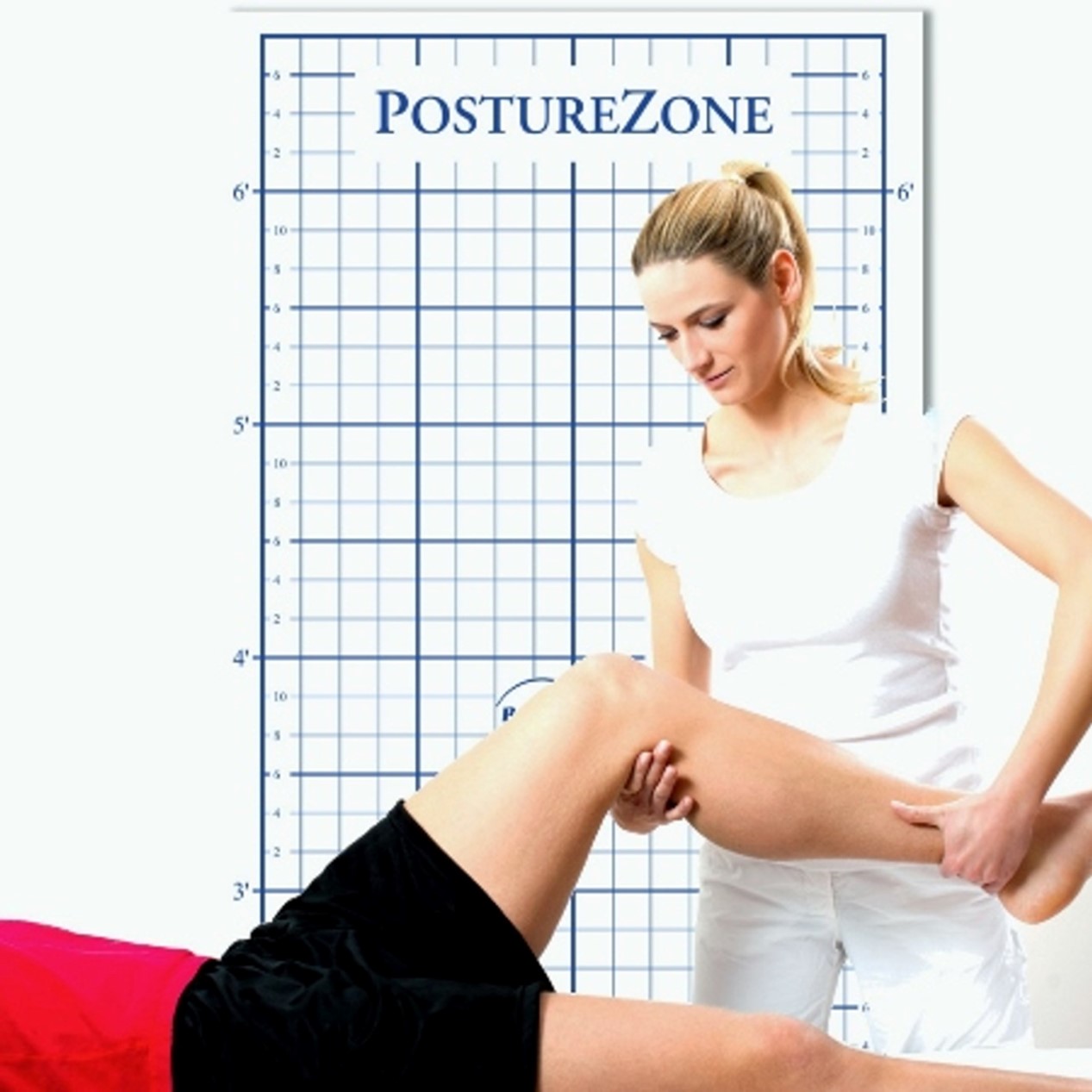
Osteopaths possess unique skills to correct postural imbalances and alleviate associated symptoms through specialized treatment methods. By integrating insights derived from posture analysis, osteopaths can design individualized treatment plans that encompass manual techniques, corrective exercises, and patient education. The visual feedback provided by posture grids aids in real-time assessment and refinement of treatment strategies, optimizing the precision and effectiveness of corrective interventions.
Monitoring Progress with Posture Grids:
Posture grids assume a critical role in objectively tracking patient progress throughout the course of treatment. Osteopaths can utilize posture charts to compare pre- and post-treatment postural alignment, symmetry, and balance. This quantitative data the posturezone metric grid provides allows for the measurement of improvements, providing tangible evidence of treatment efficacy and fostering patient engagement and satisfaction.

Patient Empowerment through Visual Posture Assessments in Osteopathic Care
Effectively communicating findings to patients is a crucial aspect of osteopathic practice, and posture assessments serve as a powerful tool in this regard. Posture, being a visible and tangible representation of their condition, resonates with patients on a personal level. By utilizing posture grids and visual aids during the assessment process, osteopaths can vividly illustrate the postural deviations and imbalances that contribute to their symptoms. This visual feedback helps patients better comprehend the underlying factors influencing their condition, fostering a sense of empowerment and motivation for active participation in their treatment plan. By bridging the gap between technical terminology and patient understanding, posture assessments facilitate open dialogue, enhance therapeutic relationships, and enable patients to make informed decisions regarding their health and well-being.
In the realm of osteopathy, posture assessment supplemented by posture grids plays a pivotal role in comprehensive patient care. By conducting meticulous postural analyses, osteopaths gain invaluable insights into the underlying causes of common conditions, enabling the development of tailored treatment plans. Incorporating posture grids enhances diagnostic accuracy and provides objective data for monitoring patient progress. Through the integration of posture assessment and grids, osteopaths optimize treatment outcomes, promote musculoskeletal health, and empower patients to achieve a better quality of life.