Maintaining good mental health is essential for living a happy and fulfilling life, but it can be a challenge for many people. Whether you’re dealing with stress, anxiety, or depression, it’s important to take steps to regain control over your mental health. This blog post will explore some tips that can help you take charge of your well-being and start feeling better.
Seek Professional Help
You should never shy away from finding a therapist who will help you with your issues. Lots of people reach out to a recovery service every day in order to regain control over their mental health. Seeking professional help is a great way to get the support and guidance you need to become the best version of yourself.
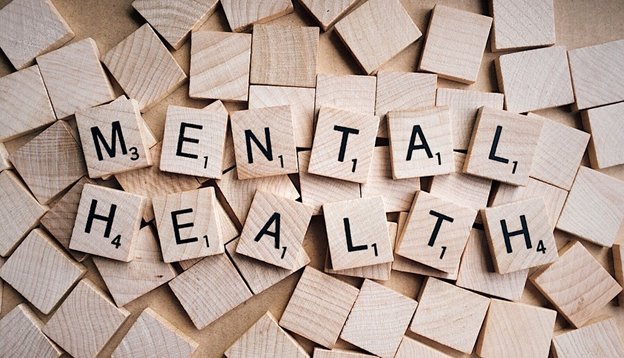
The first step in seeking professional help is understanding what kind of treatment or services might be helpful for you. Different therapies, such as cognitive-behavioral therapy (CBT), dialectical behavior therapy (DBT), and interpersonal therapy (IPT), may be recommended by your doctor or therapist. It’s also important to consider seeking other types of services, such as support groups, school counselors, family therapy, or even online resources.
Seeking professional help can be a difficult step to take, especially if you’re feeling overwhelmed or embarrassed. It’s important to remember this is a sign of strength, not weakness.
Find Social Support
Be open about your struggles with friends and family as they can be a pillar of strength in these situations. Surrounding yourself with people who love and care about you can help you feel less alone and provide emotional support in times of need. Having close relationships with people who understand your challenges can help create a safe space to talk and express yourself freely.
Additionally, there are many sources of social support out there that can be utilized from the comfort of home. Finding a mental health support group online or in person can be an invaluable resource for finding others in similar situations who share similar experiences and may have valuable advice on how to cope.
Get Physically Active
Regular physical activity can be an effective way to gain back control of your mental health. In fact, research has found that getting physically active can help reduce depression and anxiety and increase overall well-being. For those who struggle with their mental health, getting physically active could be a great strategy for feeling better.
It doesn’t have to mean joining the gym or doing something strenuous, but it’s rather about finding an activity that works for you and sticking with it over time to see the positive effects on your mental health. This could include walking, running, cycling, swimming, dancing, yoga, or even gardening. Whatever you find enjoyable!
Avoid Unhealthy Habits
Certain unhealthy habits can be the core of some mental health issues. These are the following:
- Excessive alcohol consumption
- Frequent drug use
- Smoking
- Overeating
- Eating junk food
- Stressing out
- Ignoring physical activity
- Engaging in risky activities
- Not getting enough sleep or rest
- Avoiding social situations
It is important to be aware of the effects of these bad habits and try to avoid them as much as possible. Having awareness of what’s going on inside your body is a great way to regain control over your mental health. This can be done by looking out for early signs of unhealthy habits such as changes in eating habits, late nights, sleeping too much, or avoiding social situations.
Practice Self-care
You have to respect yourself and care for your mental and physical well-being every single day in order to achieve overall mental health. Practicing self-care can be a great way to regain control over your own mental health, as it helps us cope with stress and other difficult emotions.
Self-care comes in many different forms. Some examples of practicing self-care include exercising, eating healthy meals, getting enough sleep and rest, practicing mindfulness and meditation, journaling, engaging in hobbies you enjoy, practicing gratitude, and spending quality time with friends and family.
It may be difficult to stick to a new habit and regularly practice self-care. Therefore, a mobile health app like Sensa could come in handy. Sensa’s app offers features such as habit-building tips and strategies, a mood journal, and quick relief exercises, all aimed at improving mental health.
Improve Your Sleep Schedule
Sleep is deeply connected to mental health because it allows your mind and body to get the much-needed rest required for optimum functioning. If your sleep schedule is off, it can have a negative impact on your mental health, leading to feelings of depression and anxiety. Fortunately, improving the sleep schedule is possible with a few simple steps.
Establish a bedtime routine and stay consistent with it: A regular sleep routine helps your body get used to being ready for sleep at the same time each night. Try to go to bed and get up at the same times every day, including weekends. Avoid activities such as watching TV or using electronic devices that may make it hard to fall asleep.

Mental health is something that should never be taken for granted, and seeking therapy as soon as you feel bad is a great way to start your journey toward improvement. Find social support in friends in family, as well as people who struggle with similar issues and get physically active. Make sure to cut down on unhealthy habits and practice self-care. Finally, maintain a good sleep schedule so you’re always rested and happy!