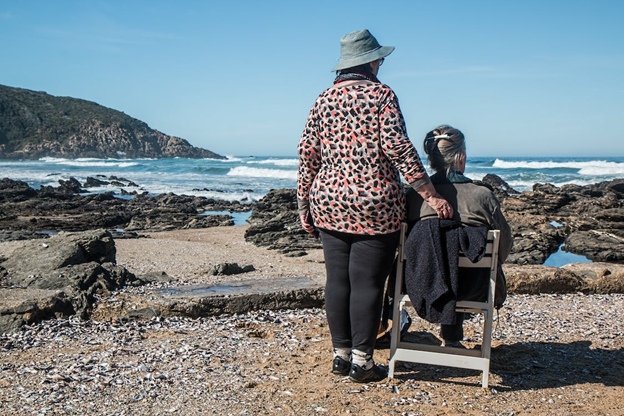
As we grow older, certain daily activities such as preparing meals or completing errands can become more difficult. This can be especially true for the elderly who may have limited mobility or other age-related health issues. Fortunately, there are several ways to help make their lives easier and enable them to continue doing the tasks they need to do each day. Here are 8 tips to help the elderly do their daily activities.
1. Planning Ahead
As we age, it can become harder to remember the details of a task we have set out to do. To make things easier for the elderly, planning ahead is important. Make a list of tasks they need to complete each day and break them down into manageable steps. This will help them stay organized and make sure they don’t forget anything important.
2. Use Assistive Technology
Assistive technology can be a great way to help the elderly manage their daily activities. Wearable devices, such as smartwatches and fitness trackers, can provide reminders of when it’s time to take medications or go to an appointment. Smart home assistants can also remind them of tasks and provide helpful information on demand.
3. Get Help from Friends and Family
Friends and family can provide invaluable help to the elderly, especially when it comes to tasks that require outside assistance. Encourage them to reach out to their loved ones if they need help with groceries, errands, or anything else. Having a support system in place will make it easier for the elderly to stay on top of their daily activities.
4. Take Breaks
It’s important for the elderly to take breaks throughout the day, even if they don’t seem to need them. Taking regular breaks can help ease fatigue and reduce stress, making it easier for them to tackle their tasks. Encourage breaks as needed and suggest activities like taking a walk or calling a friend to help keep them energized.
5. Get Them a Mobility Scooter
If you’re looking for ways to help elderly individuals with their daily activities, you should consider getting them a mobility scooter. Mobility scooters are great for the elderly as they provide an easy way to get around and reduce the risk of falls or injuries. Moreover, on the Mobility Paradise website, you can see which types of mobility scooters are specifically designed for the elderly. They come in a variety of styles, colors, and sizes, so it’s easy to find one that your elderly friend or loved one will enjoy using. Additionally, many mobility scooter models have adjustable speeds and even cup holders, making them comfortable and convenient for daily activities.
6. Adapting the Home Environment
One of the most important steps in helping elderly family members to live independently is adapting their home environment. For example, adding railings or ramps for wheelchair access, as well as making sure that all walkways are clear of obstacles and clutter. Additionally, widening doorways to allow for more space and mobility can also be beneficial. Furthermore, repositioning furniture and other items that could be a tripping hazard can also help to make the home environment safer for elderly family members.
7. Utilizing Assistive Technology
If the elderly person is having difficulty managing their day-to-day activities, consider using assistive technology to make life easier. Assistive technology can range from simple aids, like a cane or hearing aid, to more advanced devices such as voice recognition software and computer interfaces for those with limited mobility.
There are numerous resources available that can help guide you in finding the right technology. The Department of Aging has a list of assistive technology options available, and your local Area Agency on Aging can provide additional assistance. Additionally, many home healthcare providers can offer advice and recommendations to help you choose the best device for your elderly loved one’s needs.
8. Getting Professional Assistance
If the elderly person is having difficulty managing their life activities, you may need to seek professional help. Home health aides can provide in-home care for those unable to attend adult day programs. Additionally, home health aides are available to assist with personal care and household tasks such as grocery shopping or meal preparation. If a more comprehensive level of care is needed, a nursing home may be the right choice. Nursing homes provide round-the-clock care and can offer additional services such as physiotherapy and social activities.