Osteoarthritis (OA), also known as degenerative joint disease or wear-and-tear arthritis, is a debilitating chronic condition. It affects the knees, hips, hands, fingertips, and other joints in the human body.
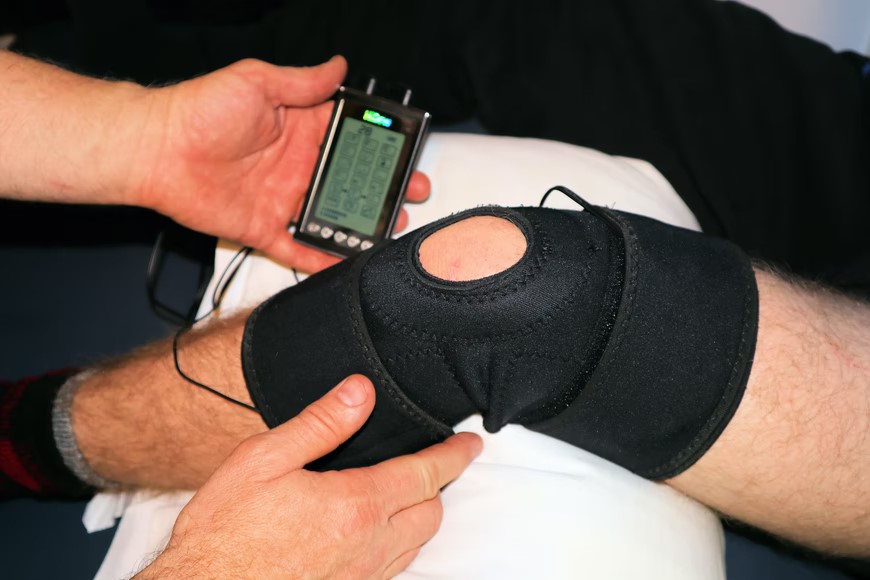
OA is caused by the gradual breakdown of cartilage in the joints, leading to bone growth and deformity. It causes joint pain, swelling, stiffness, and inflammation. It can also take a toll on a patient’s ability to perform routine activities, such as walking and running.
Typically, osteoarthritis progresses in five stages, from stages 0 to 4. Stage 4 is the most severe form of OA, characterized by extreme pain and stiffness in the joints. However, a patient who shows symptoms of the early stages of OA may not progress to the severe phases.
While there is no known cure for OA, various osteoarthritis treatment options are available that can slow down the progression of the disease. Minor lifestyle and dietary changes can go a long way to minimize a patient’s likelihood of developing severe osteoarthritis.
In this blog, we will take a closer look at the different stages of osteoarthritis and outline ways to prevent disease progression.
Osteoarthritis Treatment: Exploring the Options
Treatment for OA depends on the severity of the disease. Some of the most effective osteoarthritis treatment options include:
- Surgery (bone realignment or joint replacement)
- Glucocorticoid injection
- Medication (such as etoricoxib, celecoxib, and allopurinol)
However, pain-relieving medications, such as Tylenol and Tramadol, are some of the most tried options for treating osteoarthritis. While these drugs go a long way to alleviate OA symptoms, they aren’t particularly effective in controlling disease progression.
It has also been noted that lifestyle changes like following an anti-inflammatory diet and exercise routine are effective in treating osteoarthritis. Many patients even use alternative therapies, such as hydrotherapy, acupuncture, and CBD oil.
Slowing Down OA Progression at Each Stage
Stage 0 (Normal)
Stage 0 is characterized by a healthy joint with no visible signs of cartilage breakdown. At this stage, an individual won’t experience any symptoms, such as joint pain or stiffness.
However, some people are predisposed to OA due to the following factors:
- Genetics
- Age
- Gender
A family history of osteoarthritis increases an individual’s chances of developing the disease. Also, older people and women who have undergone menopause have an increased predisposition.
Similarly, people whose jobs involve frequent kneeling, squatting, or heavy lifting are at risk of developing osteoarthritis.
Such individuals should consider talking to a medical professional about ways to prevent osteoarthritis. Physicians often prescribe light exercise and weight reduction to eliminate the risk of OA. Patients should also focus on improving their posture to avoid the onset of spinal or cervical osteoarthritis.
Stage 1 (Minor)
The most common symptom of stage 1 of osteoarthritis is the limited formation of osteophytes or bone spurs. There isn’t any evident cartilage damage or bone deformity at this stage. Patients won’t experience any significant pain, swelling, or stiffness of the joints.
Patients can use the following ways to slow down or prevent further progression of OA:
Weight Reduction
Overweight or obese individuals should focus on losing weight to minimize stress on the joints. It is a good idea to consult a professional for dietary advice. Also, they should engage in 30 minutes of moderate exercise five days a week to maintain healthy body weight.
Exercise
Even if an individual isn’t overweight, a regular exercise routine is important for keeping the joints agile, flexible, and healthy. Light stretching exercises, aerobics, and tai chi are effective in slowing down OA progression. However, it is wiser to consult an expert before starting with any new exercise routine.
Diet
A diet packed with anti-inflammatory ingredients, such as turmeric and ginger will help minimize cartilage breakdown. Also, it is necessary to increase the intake of foods that are rich in antioxidants and flavonoids.
With these simple and healthy lifestyle changes, many patients can control OA progression and manage their symptoms.
Stage 2 (Mild)
This stage of osteoarthritis presents the first visible signs of abnormal bone growth. Cartilage and synovial fluid in the joints isn’t particularly affected. Patients will likely experience pain, discomfort, and tenderness in the joints after rigorous physical activity. Also, their joints could become stiff when they remain inactive for long hours.
Here are the most common osteoarthritis treatment options used at this stage to control disease progression:
Lifestyle Changes
A regular, supervised exercise routine and a wholesome, anti-inflammatory diet are important for maintaining joint health. Patients are advised to avoid exercises, such as squatting or jumping, that could strain the joints.
Blood Sugar Control
Patients with diabetes are more likely to experience serious OA complications. It’s because their body produces increased amounts of protein molecules – called cytokines – that accelerate cartilage degeneration.
That’s why these individuals must keep their blood sugar levels in check. A combination of diet, physical exercise, medication, and insulin therapy might be required. Patients should regularly visit their physician to analyze their treatment plan and check their blood sugar levels.
Physical Therapy
Regular physiotherapy will help maintain healthy and flexible joints. It is, however, important to hire a trained therapist who has adequate experience in managing osteoarthritis patients.
Additionally, patients might be prescribed OTC pain-reliever for symptomatic relief. They can also wear supportive devices, such as knee braces and wraps to protect the joints from further damage.
Stage 3 (Moderate)
This stage of OA is characterized by significant cartilage breakdown and bone spurs. It causes intense joint pain, stiffness, and swelling.
The most common osteoarthritis treatment for stage 3 is a glucocorticoid injection. These corticosteroids help reduce pain and inflammation. However, their effect only lasts for a few months.
Patients should consider implementing serious changes in their diet and lifestyle to prevent further damage to the joints. Mild exercise, as well as massage and physical therapy, help promote joint health at this stage.
Stage 4 (Severe)
Patients in stage 4 of OA experience intense pain due to complete degeneration of the protective cartilage layer. Apart from pain, they’ll also experience sudden locking and buckling of joints due to stiffness.
Surgery is the only effective treatment option at this stage.
Closing Thoughts
Early detection and management of osteoarthritis will prevent the disease from progressing to a severe stage. A healthy lifestyle with a balanced diet and regular exercise is essential for maintaining healthy joints. Patients should immediately consult their physician if they experience pain and stiffness in the joints.