


Acupuncture – Ancient Medicine for a New Millennium
Unknown to many, traditional Oriental medicine is a major healthcare system for over one quarter of the world’s population. Cited as an effective system of healthcare by the National Institute of Health and the World Health Organization, acupuncture and Oriental Medicine are becoming a serious alternative or complement to conventional pain management and medical treatment.
Acupuncture is one of the oldest, most commonly used medical procedures in the world, originating in China more than 3,000 years ago. Oriental medicine is an effective, low cost medical treatment that works in harmony with the body’s natural healing ability. Diagnosis in Oriental medicine involves the classical procedures of observation, listening, questioning and palpation, including feeling pulse quality. Treatment focuses on the well-being of the entire person, not simply on the physical complaints and symptoms.
According to the theories of traditional Oriental medicine, all the disorders or diseases from which people suffer can be related to an imbalance in one’s Qi, or vital energy. Oriental medicine’s aim is to improve the patient’s health both physically and spiritually by rebalancing the body’s own healing mechanisms.
Acupuncture Points
Over 2000 acupuncture points on the human body connect with 14 pathways, called meridians. Chinese medicine practitioners believe these meridians conduct energy, or Qi, between the surface of the body and internal organs. Qi regulates spiritual, emotional, mental, and physical balance. When Qi flow is disrupted, through poor health habits or other circumstances, pain and/or disease can result. Acupuncture acts to keep the normal flow of this energy unblocked.
Acupuncture is the insertion of hair-thin, disposable metal needles through the skin in points on the body’s meridians. Acupuncture needles are solid, usually made of stainless steel and extremely flexible. Inserted a few millimeters into the skin, the small diameter and contoured shape of the acupuncture needle allows it to be inserted easily and painlessly. Acupuncture needles can also be stimulated with pressure, heat, friction or electromagnetic impulses to further activate a person’s Qi.

The Affect of Acupuncture on Your Body
The intent of acupuncture is to stimulate the body, release energy blocks, and reestablish normal equilibrium, thereby facilitating the body’s natural ability to heal itself. In the last 40 years, Chinese and Western studies have suggested that the insertion of needles at acupuncture points helps release some chemical neurotransmitters in the body, including endorphins. Endorphins are the body’s own, extremely powerful, natural pain killers which relieve pain and bring about a sense of well-being. Clinical studies of acupuncture in the treatment of a wide range of illnesses have also led to acupuncture’s acceptance beyond pain control to immune enhancement and increased energy and well being. A study from the University of Pennsylvania Medical Center using a scanning technique called SPECT (single photon emission computed tomography), found that acupuncture increases blood flow to the thalamus of the brain, an area that relays pain and other sensory messages.(1)
Oriental medicine’s effects are gentle and free of the side-effects of many drugs used for the same conditions. As a form of primary healthcare, Oriental medicine addresses a broad range of conditions that Western medicine finds difficult to treat such as stress, depression, addiction, chronic pain, allergies, migraines and low back pain. In addition to treating primary health complaints, the benefits of Oriental medicine include pain relief, immune enhancement and increased energy and well-being.
Common Terms Defined
- Meridians – the Chinese have identified a system through which energy flows in the body. Energy or “qi” flows through meridians in much the same way that blood flows through vessels.
- Acupuncture point – a point on the meridian that has a specific effect on the energy of the meridian or organ system.
- Organs – You will often hear acupuncturists refer to a Liver, Kidney, Spleen or other “organ imbalance. These terms refer to the energetic as well as physical organ systems. For example, when acupuncturists say there is an imbalance in the Liver, they may be referring to a liver disease, an emotional imbalance, or even an eye problem. Ask you acupuncturist to clarify these terms as they relate to your condition.
- Five Elements or Phases – a theory describing the interaction of energetic systems in nature and in the body.
- Moxibustion – the warming of acupuncture points.
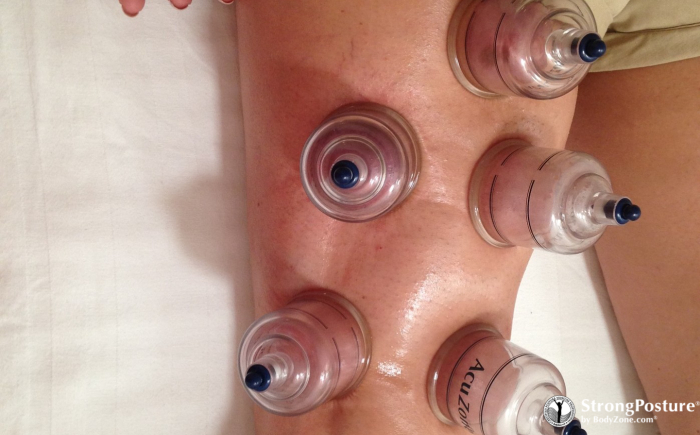
- Cupping – the use of suction to increase circulation in an affected area.
- Electro-stimulation – the use of low voltage electricity to stimulate acupuncture needles.
References: (1) R. Sandroff, “Does Acupuncture Really Work?”, Vegetarian Times (August 1999) : 44-45.
Rebecca Wilkowski is a health writer and the Director of Public Relations & Advertising for Pacific College of Oriental Medicine.